

How to Get Better at Arcade Racing Games with these Simple Tips
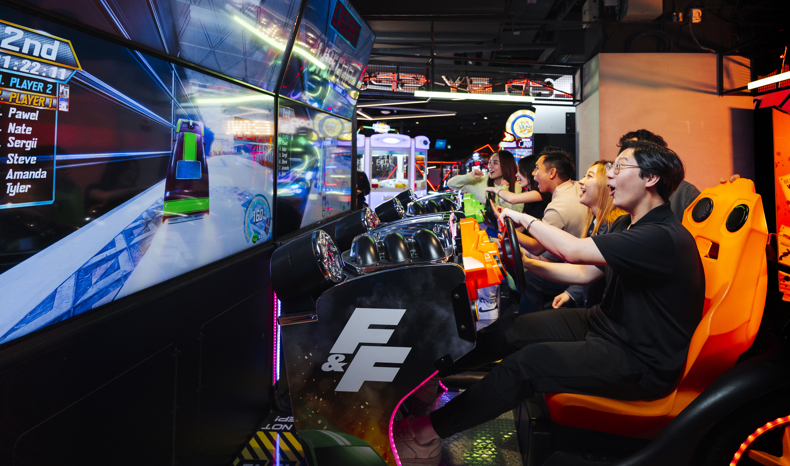
Arcade racing games are some of the most exciting attractions at Timezone Singapore. From the high-speed highways of Wangan Midnight Maximum Tune 6 RR to the chaotic fun of Mario Kart Arcade GP DX, every race is packed with adrenaline, competition, and split-second decisions.
But if you’ve ever found yourself crashing into walls, losing control around corners, or watching other players speed past you, you’re definitely not alone.
Many beginners assume winning is all about driving as fast as possible. In reality, precision, timing and consistency matter far more.
The good news is that learning how to get better at racing games is often easier than most people think. Once you understand a few core racing game tips like braking properly, cornering smoothly, and maintaining good racing lines, you’ll start seeing noticeable improvements on the track.
In this guide, we’ll break down how to play racing games more effectively and share practical techniques to help you improve your driving skills at the arcade, whether you’re chasing a high score or competing against friends.
Understanding Arcade Racing Game Controls
Before improving your racing skills, it’s important to understand how the arcade machine actually handles. Different racing games can feel very different depending on the steering, pedals, and driving mechanics used.
Some games feature light and responsive controls, while others feel heavier and more realistic. Certain arcade racers also include manual gear shifting or additional driving mechanics that may take a few races to get used to.
Before jumping into competitive races, spend a little time familiarising yourself with:
- steering sensitivity
- braking response
- acceleration feel
- gear shifting behaviour
Even a quick adjustment period can make a big difference. The faster you adapt to the controls, the more confidently and consistently you’ll be able to race.

Master the Core Driving Techniques
Once you’re comfortable with the controls, the next step is learning how to drive more efficiently during races. Arcade racing games may feel fast and chaotic at times, but the players who consistently perform well are usually the ones with better precision and cleaner driving habits.
Mastering a few core techniques can make a huge difference to your overall performance, especially during tighter corners, technical sections, and competitive races.
Braking Before Corners Properly
One of the most common beginner mistakes is braking too late before corners.
Many players try to maintain maximum speed right until the turn, only to lose control, hit barriers, or drift too wide through the corner. While it might feel faster initially, it usually hurts your overall lap time.
A better approach is to brake before entering the corner, reduce speed gradually, and release the brake smoothly as you begin turning.
Avoid:
- braking aggressively while already turning
- coasting through corners without braking or accelerating
Controlled braking improves stability and helps the car stay balanced through the corner. More importantly, it allows you to exit turns with better speed and stability.
Cornering & Racing Lines
Corners are where most races are won or lost.
Understanding racing lines helps you maintain speed while keeping the car stable through turns. The goal is not simply to enter corners as fast as possible, but to carry momentum smoothly from entry to exit.
A simple cornering flow looks like this:
- Brake before the corner
- Turn smoothly toward the apex
- Accelerate steadily when exiting
The key principle here is: slow in, fast out.
Entering slightly slower often allows you to exit the corner faster and maintain better speed across the rest of the track.
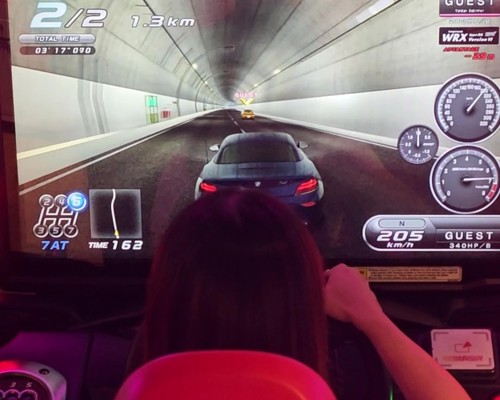
In games with longer highway-style corners like Wangan Midnight Maximum Tune 6 RR, smooth exits can often matter more than aggressive entries.
Smooth Steering & Throttle Control
Smooth driving is usually faster than aggressive driving.
Jerky steering movements and sudden acceleration can make the car unstable, especially during technical sections or back-to-back corners. Players who constantly overcorrect the wheel often lose more speed than they realise.
Instead, focus on:
- smooth steering inputs
- controlled acceleration
- gradual throttle application after corners
A stable car maintains speed much more effectively and feels easier to manage under pressure.
This becomes especially important in faster arcade racers like Asphalt 9: Legends Arcade, where quick reactions and clean control work together.
Learn How to Read the Track Layout
Strong players do not just memorise tracks. They learn how the track flows.
Pay attention to:
- tight corners
- long straight sections
- technical areas
- high-risk crash zones
Visual markers like road signs, barriers, tunnel entrances, and corner patterns can help you anticipate turns earlier and react more smoothly during races.
Replaying the same track multiple times also helps build muscle memory and improve reaction timing over time.
The more familiar you become with a course, the easier it becomes to drive more confidently and smoothly.
Understanding Drifting in Arcade Racing Games
Drifting is a popular technique in many arcade racing games, especially during sharp corners and technical sections. Instead of maintaining full grip through a turn, drifting involves intentionally sliding the car while staying in control.
Some arcade racers simplify drifting mechanics, making it easier for players to chain corners together smoothly during races. Games like Mario Kart Arcade GP DX heavily encourage drifting during tighter turns and more technical tracks.
A well-timed drift can help:
- maintain momentum through corners without losing too much speed
- reposition the car more quickly
- improve corner transitions
However, drifting is not always the fastest option. Certain tracks reward cleaner racing lines and smoother grip driving instead.
The best players know when drifting creates an advantage and when staying stable through corners leads to better overall speed.
Arcade-Specific Racing Strategies
Once you understand the fundamentals, the next step is learning how to adapt your driving style to different arcade racing situations. Strong players are not just fast. They know how to practise efficiently, choose the right cars, and stay composed during competitive races.
1. Learn the Best Game Modes for Practice
Different game modes help improve different racing skills.
Solo or story modes are great for:
- learning track layouts
- understanding controls
- building confidence
Meanwhile, time attack or ghost modes help players improve:
- lap consistency
- racing lines
- corner precision
VS races are where things become more unpredictable. Racing against real players helps improve reaction timing, positioning, and decision-making under pressure.
If you’re trying to get better at racing games, progressing gradually through different modes is often more effective than jumping straight into highly competitive races.

2. Car Selection & Tuning
Different cars handle differently depending on the game.
Some prioritise:
- top speed
- acceleration
- handling
- drifting ability
Others may feel more balanced and beginner-friendly.
In games like Wangan Midnight Maximum Tune 6 RR, upgrading and tuning your car can noticeably improve performance over time. While faster cars can be exciting to use, they often become harder to control at higher speeds.
Choosing a car that matches both your driving style and the track layout usually leads to more consistent results.
3. VS Race Strategy
Racing against real players requires a different mindset from solo races.
Aggressive driving might work occasionally, but consistency and positioning usually matter more over the course of a race. One unnecessary crash can instantly cost several positions.
Protecting your racing line, avoiding risky overtakes, and staying calm under pressure often matters more than aggressive driving during competitive races. Sometimes simply staying close behind another player is enough to pressure them into making an error.
The strongest arcade racers are often the ones who stay controlled and make smarter decisions throughout the race, especially during tense final laps.
4. Practise with Consistency
Improving at arcade racing games is not just about playing more races. Focused and consistent practice usually leads to faster improvement than driving aggressively without a clear goal.
A simple routine can help:
- Play a few warm-up races
- Focus on one skill at a time
- Replay the same track multiple times
- Review mistakes after each race
- Finish with one serious or competitive run
Many players focus too heavily on speed, but clean and controlled laps are usually more effective than reckless driving.
The more familiar you become with a track and your car’s handling, the more confident and consistent your driving will feel during competitive races.
Common Beginner Mistakes to Avoid
Even after learning the basics, certain habits can still hold players back from improving consistently. In many arcade racing games, small mistakes quickly add up over the course of a race.
The good news is that most of these issues are easy to fix once you recognise them.
1. Braking Too Late Before Corners
One of the most common mistakes is waiting too long to brake before entering a turn.
This usually leads to:
- crashing into barriers
- drifting too wide
- losing control during exits
Braking slightly earlier often creates smoother and faster cornering overall.
2. Oversteering During Turns
Many players turn the wheel too aggressively when approaching corners, especially under pressure.
Sharp steering inputs can make the car unstable and force it wider through turns. Instead, focus on smoother and more controlled steering movements to maintain better handling through corners.
Small adjustments are usually more effective than sudden corrections.
3. Accelerating Too Early
Flooring the accelerator too early during a corner can easily send the car into barriers or cause unnecessary sliding.
A better approach is to stabilise the car first, then accelerate smoothly as you exit the turn.
Clean exits usually lead to better speed over the rest of the track.
4. Drifting Unnecessarily
Drifting can be useful in certain situations, but forcing drifts on every corner is rarely the fastest strategy.
Some tracks reward smoother grip driving and cleaner racing lines instead. Overusing drifting can:
- reduce speed
- increase mistakes
- make the car harder to control
Understanding when to drift and when to stay stable is an important part of improving your race consistency.
5. Switching Between Too Many Games or Cars
Constantly changing games, tracks, or cars can slow down your improvement.
Different arcade racing games often have unique:
- handling styles
- steering sensitivity
- drifting mechanics
- braking feel
Spending more time with one game helps build stronger muscle memory and track familiarity over time.
6. Focusing Only on Speed Instead of Control
Many beginners assume faster driving automatically leads to better results.
In reality, clean laps and controlled driving usually outperform reckless racing. Players who stay calm, avoid unnecessary mistakes, and maintain consistent racing lines often perform much better over time.
Control creates speed, not the other way around.
Ready to Hit the Racing Track?
Winning arcade racing games is not just about fast reflexes or driving aggressively from start to finish. The players who improve the fastest are usually the ones who understand the controls, stay smooth through corners, and make smarter decisions during races.
By focusing on techniques like smoother braking, cleaner racing lines, better track awareness, and controlled drifting, you’ll start noticing real improvements in your performance over time.
Like any skill-based game, getting better at racing games takes practice, patience, and repetition. The more familiar you become with different tracks, cars, and racing situations, the more natural your reactions and driving instincts will feel.
Whether you enjoy casual races with friends or competitive leaderboard challenges, arcade racing games offer an exciting way to sharpen your skills while having fun at the same time.
Ready to put these racing game tips into action? Head down to your nearest Timezone venue and start sharpening your racing skills today!
Information is correct at the point of writing.


